EN
 EN
 DA
 NL
 FI
 FR
 DE
 IT
 JA
 KO
 NO
 PL
 PT
 RO
 RU
 ES
 SV
 TL
 ID
 SK
 UK
 VI
 TH
 TR
 FA
 BE
 LA
 UZ
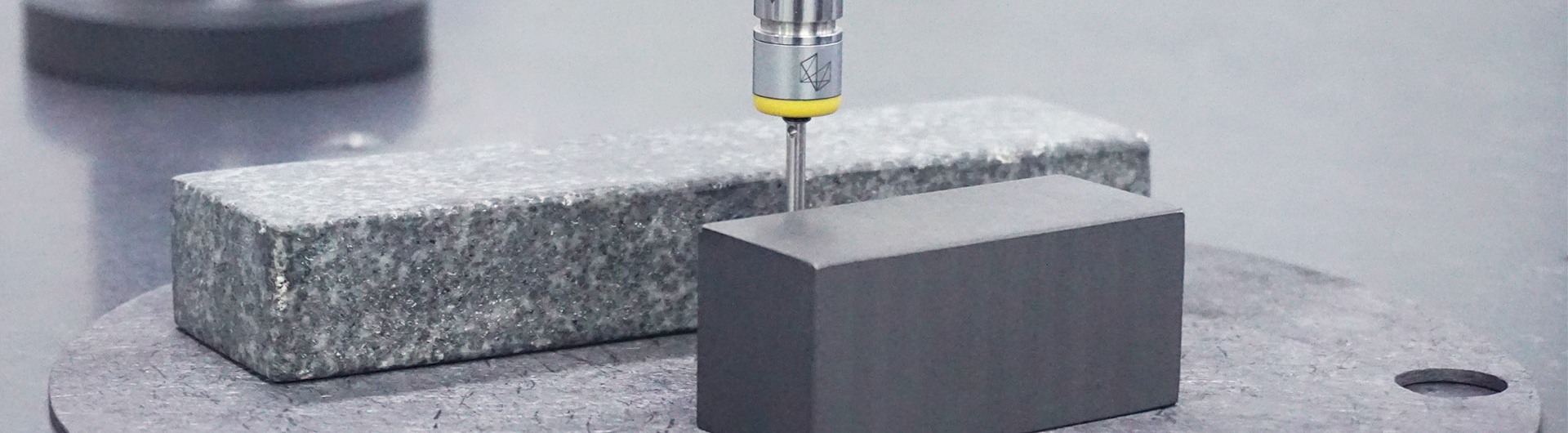
When considering heating, Silicon carbide (SiC) and Graphite are often the first materials you think of using for rapid thermal processing (RTP). And of course, there are many advantages and disadvantages of each, but when it comes down to which type of equipment or surface to use for your application, it can be difficult to decide. At Semixlab, an industrial manufacturer, we have compiled the various pros of Solid SiC for RTP applications to help you decide which material to use for your specific needs.
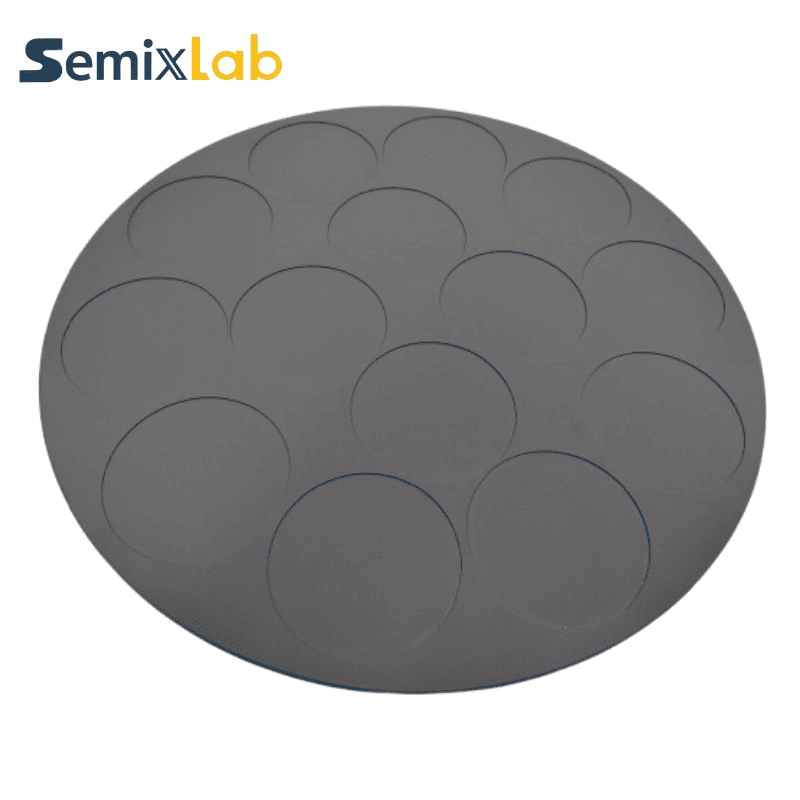
What Makes Solid SiC the Superior Choice for RTP Applications?
But when comparing silicon carbide to graphite, solid SiC has two significant advantages: high thermal conductivity and strength. It's extremely efficient at absorbing and dissipating heat, which is critical for RTP. When you bake cookies in a hot oven, what do you want as a base for your oven? A material that can withstand extreme heat, not Wood (if wood were used as a hot surface in an oven), and won't fall apart. A Silicon carbide heater can endure very high heat and not compromise. Graphite can absorb and discharge heat, but over time, if the heat is too much, graphite degrades. Also, you do not have to fear the degradation of the silicon carbide as you may with the graphite heaters. Another aspect that can help silicon carbide as a material of choice is the fact that it does not easily oxidize.
The lack of oxidation will help prevent potential failures within the semiconductor fabrication process by keeping your materials from becoming weakened due to reaction with oxygen, which in turn helps you produce more wafers. Unlike what it may do in any semiconductor application, the reaction of oxide would mean that it would make it brittle. Therefore, when compared to graphite, the solid structure can be more suitable because it can not be so easily eroded. Silicon carbide can provide the pure environments required in the semiconductor fabrication environment. When comparing solid silicon carbide against graphite, solid silicon carbide provides higher temperature capability and better oxidation resistance. It does not easily contaminate the materials it contacts, which is vital when trying to achieve high-purity semiconductors. Because it doesn't oxidize, silicon carbide provides reliable, repeatable results every time you use it.
Also, it is not necessary to constantly check for the oxidation of your heaters, because you can do other tasks while you are continuing to run your process within the RTP chamber. Overall, silicon carbide has superior overall performance for RTP's than graphite will ever be able to match.
How to Choose Between Solid SiC and Graphite for Your RTP Needs
Which Is Better For RTP Coating - SiC or Graphite? Picking the right material for your RTP coating process is like picking the right RPG for your task. Both are desirable and have some positive property that makes them better than others for a specific task.
Always keep in mind that, when a decision is to be made, set your priorities straight. You need to take into account first the working temperatures; if you are working at extremely high temperatures, there is only one clear winner, and that is Silicon carbide coating because of its hardness and ability to withstand high temperatures and heat stresses. But if you are working at minimum temperatures and you do not need to work at higher temperatures, then Graphite would do just fine. Then take into account the environment that your work is to be working in; if you are to work in a hazardous environment where chemicals are prone to be found, then the more chemical-resistant solid SiC would be the better option. But if cost saving is your priority, then Graphite is the way to go because, at the end of the day, saving money is important but not at the cost of quality. Always take into account your application-specific demands; if your application requires low contamination, then the best thing to go for would be solid SiC, and always make sure to seek expert help like (Semi Xlab) for further support and guidance in picking the right material.
Where to Find the Best Wholesale Solid SiC Products for RTP Applications
Are you searching for the best wholesale solid SiC materials for an RTP application? If so, you are in the right place to do that. Semixlab is a good choice if you want a solid SiC product for your application; they have high-quality materials that are suitable for every application. So, where can I buy solid SiC products? Visit an expo or trade show! At expos and trade shows, there are many companies that bring their latest materials for their applications and sell them. You can also look for good quality solid SiC at online marketplaces. Sites that sell industrial supplies and industrial equipment may have the most variety of solid SiC. Shopping online allows you to compare prices and find the best prices for the solid SiC that you need. Read the seller reviews and ratings to find high-quality solid SiC and contact them with any questions that you may have about the various brands, prices, and sizes of solid SiC that they sell.
Factors to consider. When selecting the best quality and low-cost solid SiC, there are a few factors you need to consider if you are a business that uses RTP systems. If you are a business that is planning to buy in bulk and save a lot of money, many suppliers offer discounts for wholesale orders; in this case, Semixlab and bulk purchasing will help you to buy the best quality solid SiC at the most affordable prices. Additionally, buying wholesale will help you always to stay with enough materials to facilitate your projects.
How Solid SiC Enhances Performance in RTP Systems Compared to Graphite
Solid SiC: When it comes to improving all the great things that you can do with your RTV system, solid silicon carbide (SiC) is one of the best materials you can use to outperform graphite. One of the most important benefits of this material is the ability to operate at higher temperatures. With RTV systems, you need to know how well they are going to be able to operate at high heat without having components break down. Solid SiC can operate at high heat much longer than graphite.
Solid SiC has high thermal conductivity. This indicates that it conducts heat quickly and uniformly. In the case of temperature measurement and control, you need an element that heats uniformly in order to obtain reproducible results. Solid SiC is a better solution than graphite, which may generate a temperature gradient (hot and cold spots).
Solid SiC is more heat-resistant than graphite. This means that it is less likely to erode or fracture when in use, saving you time and money in replacement costs. Solid SiC is less reactive than graphite. This means that it won't contaminate other materials within your RTP system, ensuring that your process is clean and your results pure. Solid SiC improves heat resistance and thermal conductivity over graphite. By using solid SiC, your RTP system will benefit from improved heat resistance and thermal conductivity over graphite and will also be more durable.
What Advantages Does Solid SiC Offer Over Graphite for Wholesale Buyers?
Advantages of Solid SiC over Graphite: When shopping for solid SiC powder from wholesale suppliers for solid silicon carbide (SiC), there are many benefits of using solid SiC powder as opposed to graphite. For one thing, solid SiC has a higher melting point than graphite. It is essential for items that may be subjected to high temperatures during the manufacturing process. If your factory uses systems like Rapid Thermal Processing (RTP), this is especially important.
Another benefit of solid SiC is its strength and robustness. It is much harder than graphite and can withstand damage from repetitive use and contact. This is a critical requirement for wholesale buyers who want to buy materials that will last longer with fewer replacements and repairs, as well as withstand the demands of RTP applications. When you purchase solid SiC, you're purchasing a product that will stand the test of time.
Furthermore, solid SiC possesses exceptional thermal conductivity. This ensures that the heat can be applied uniformly throughout the material, which would invariably lead to superior, more uniform results in your finished product compared to graphite, where potential hot and cold spots may exist.
What Are the Benefits of Solid SiC for RTP? First, the fact that solid SiC is less reactive than graphite makes it suitable for any integrated process system you may be currently using. This will allow for a cleaner and more dependable production run. For wholesale buyers, this means increased safety, better processing quality, and a better overall outcome for your production line.
Table of Contents
- What Makes Solid SiC the Superior Choice for RTP Applications?
- How to Choose Between Solid SiC and Graphite for Your RTP Needs
- Where to Find the Best Wholesale Solid SiC Products for RTP Applications
- How Solid SiC Enhances Performance in RTP Systems Compared to Graphite
- What Advantages Does Solid SiC Offer Over Graphite for Wholesale Buyers?
Founded in 2018, Semixlab Technology Co.,Ltd is a technology-based enterprise focusing on the research and development, production and sales of advanced materials. It is a world-leading semiconductor material manufacturer.