EN
 EN
 DA
 NL
 FI
 FR
 DE
 IT
 JA
 KO
 NO
 PL
 PT
 RO
 RU
 ES
 SV
 TL
 ID
 SK
 UK
 VI
 TH
 TR
 FA
 BE
 LA
 UZ

SiC Ceramics
Product Overview
Semixlab supplies precision silicon carbide (SiC) ceramic components for demanding semiconductor processes. With high thermal conductivity, low thermal expansion, excellent hardness and chemical resistance, SiC ceramics maintain stable dimensions and reliable performance under high temperature, plasma and corrosive‑gas conditions.
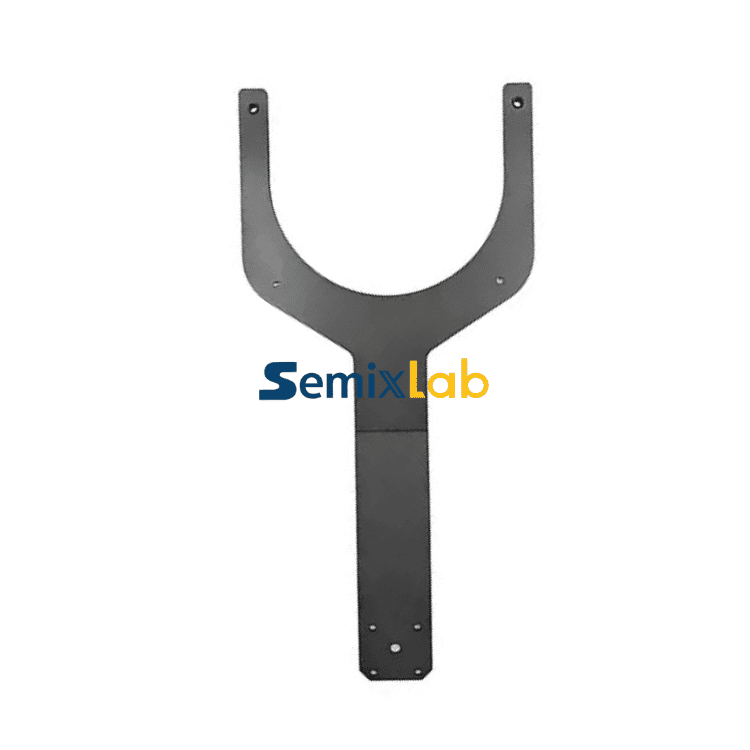
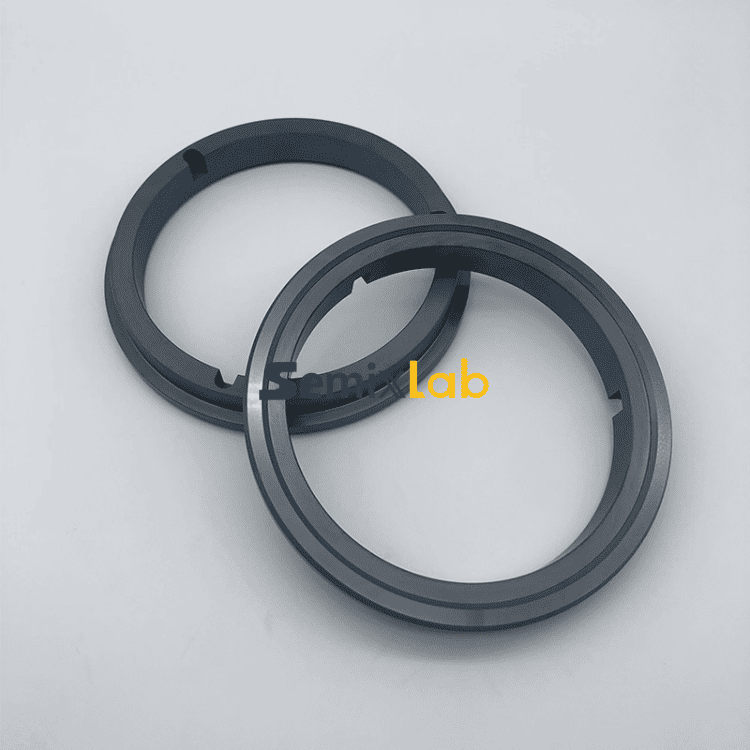
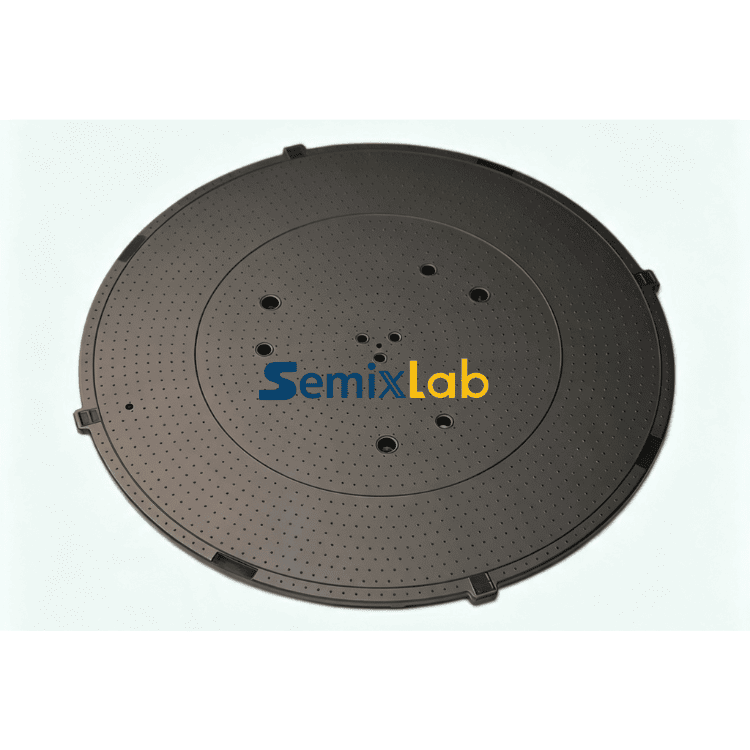
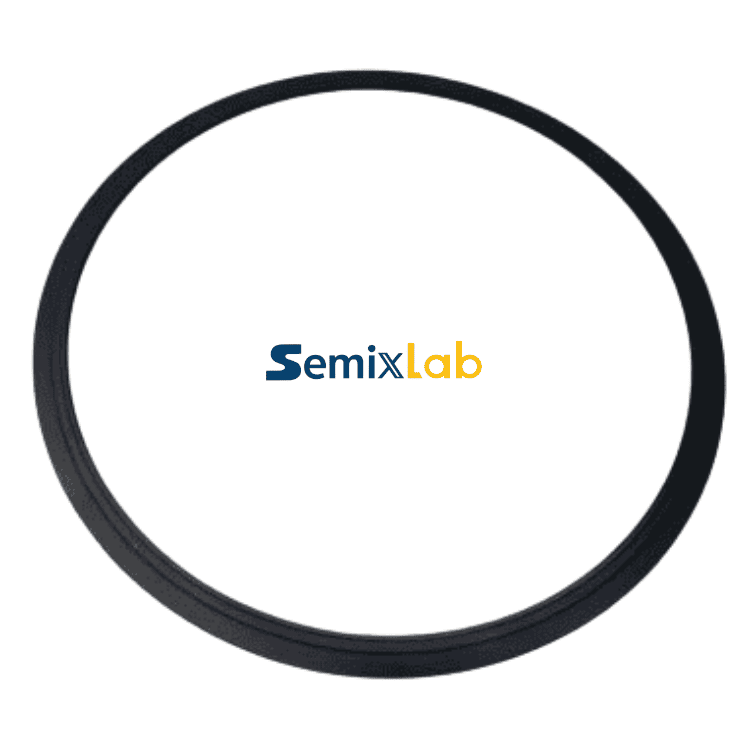
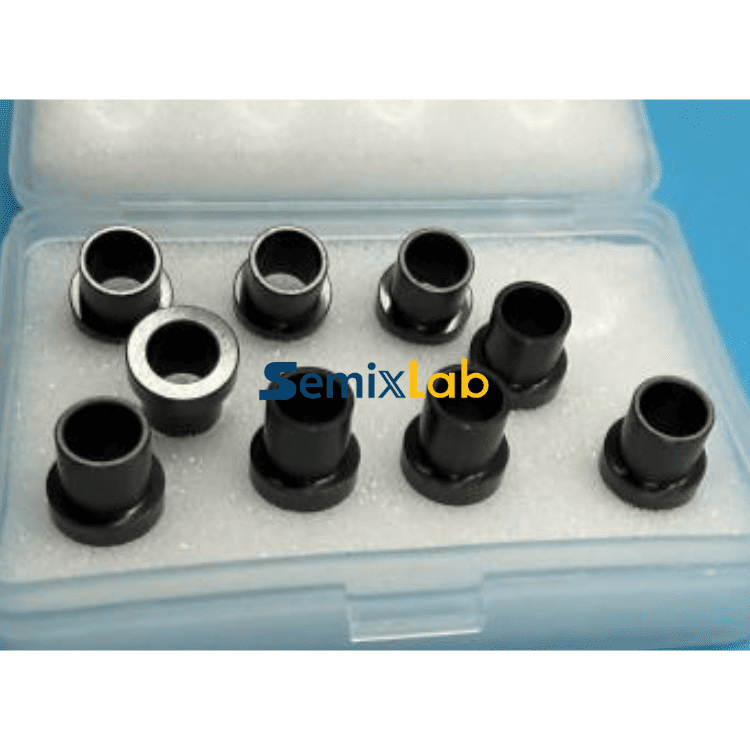
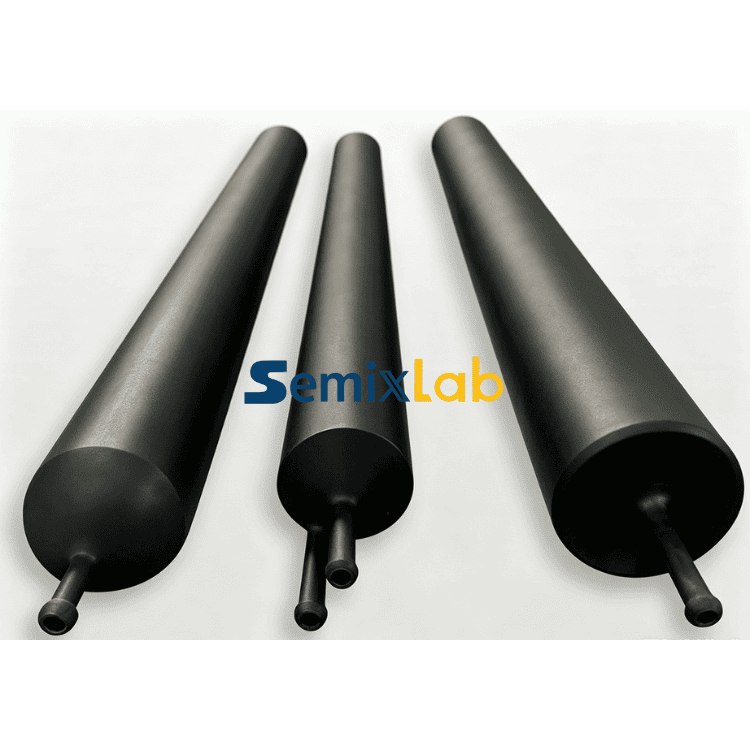
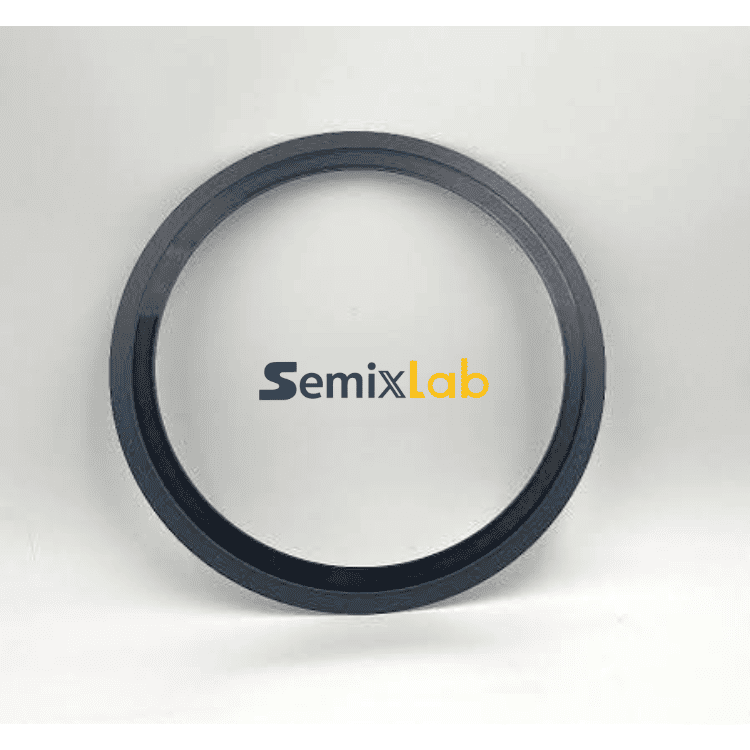
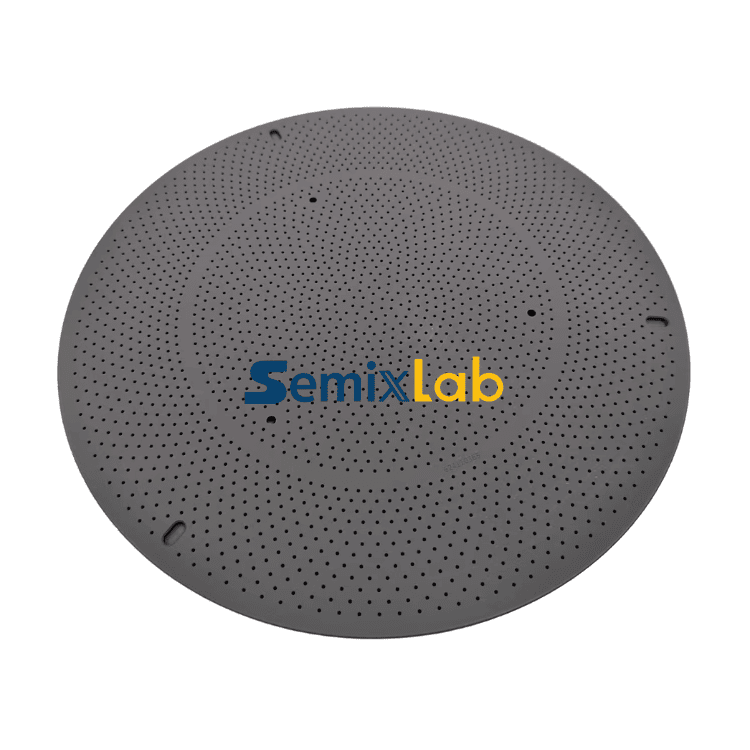
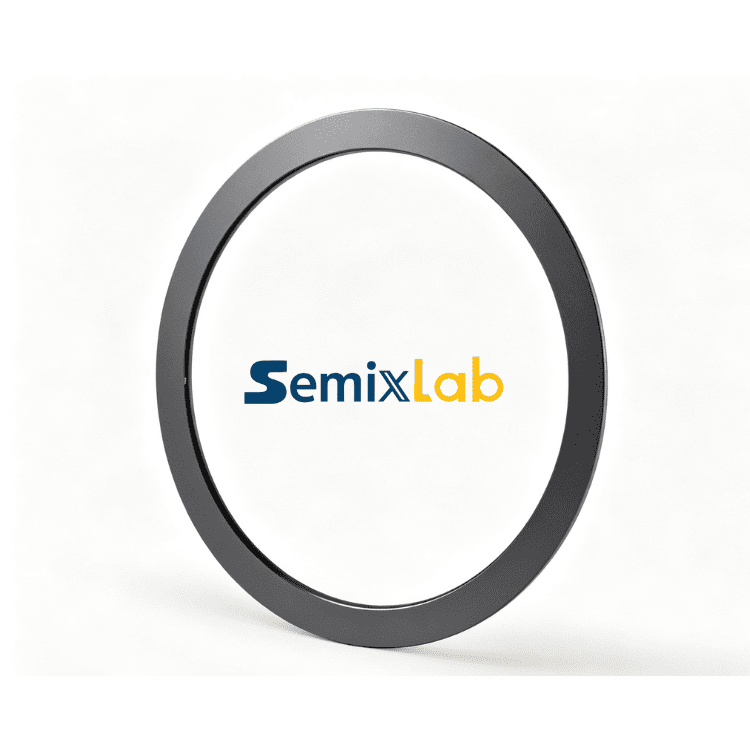
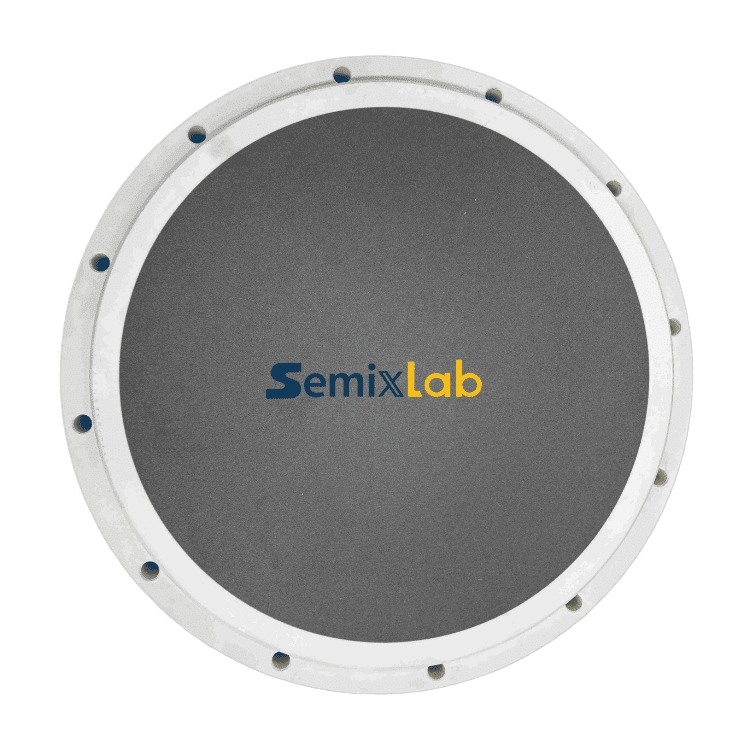
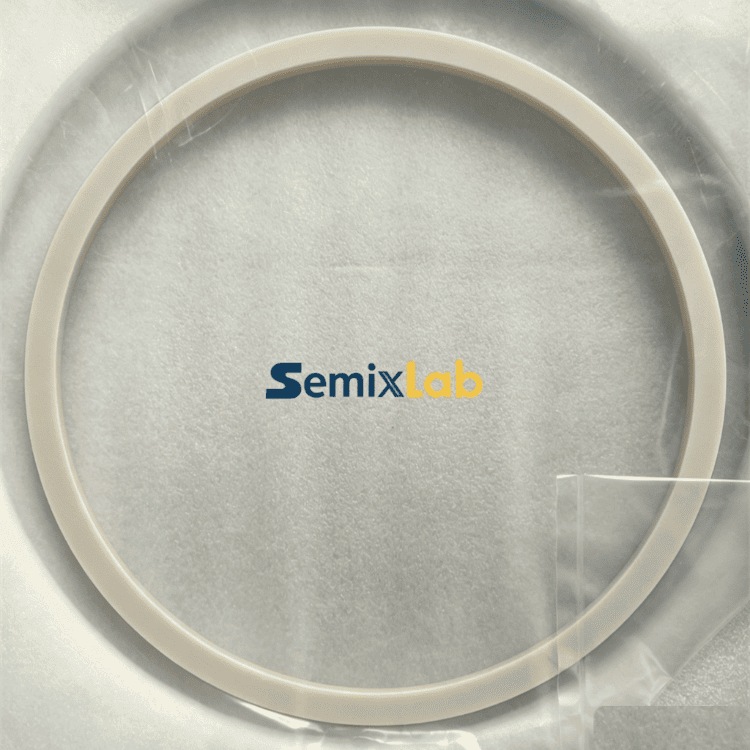
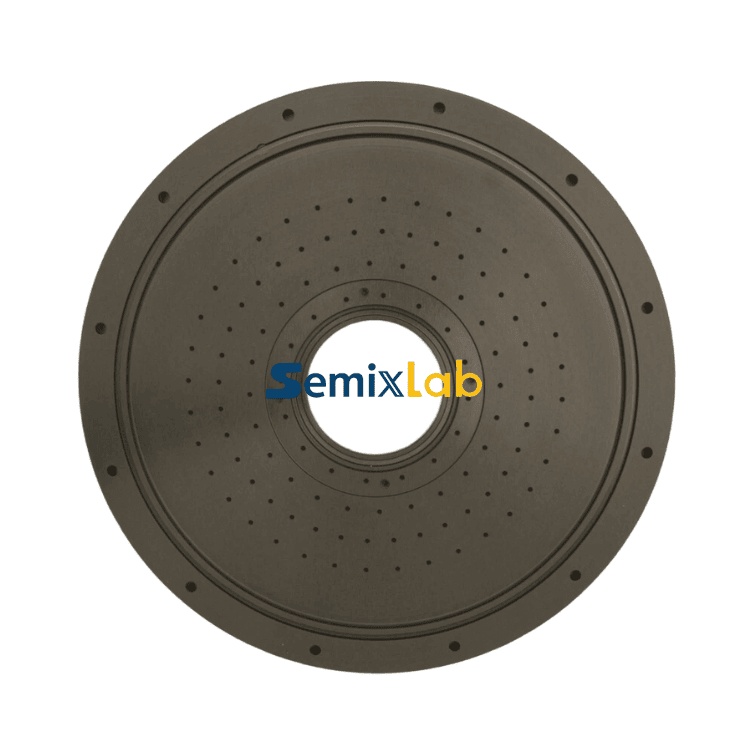
Our product range includes furnace tubes, rings, plates, liners, wafer carriers, vacuum chucks and custom structural parts for wafer fabrication and compound semiconductor equipment.
Key Features & Advantages
- High Thermal Stability: Low thermal expansion and efficient heat transfer help minimize deformation during rapid heating and cooling.
- Excellent Wear Resistance: High hardness reduces surface wear and particle generation in precision handling and motion systems.
- Chemical & Plasma Resistance: Dense SiC grades resist many corrosive gases and plasma environments used in semiconductor processing.
- Precision Machining: Grinding, lapping and polishing are available for controlled flatness, dimensional tolerance and surface roughness.
Technical Specifications
| Parameter | Standard / Typical Value |
|---|---|
| Material | Sintered SiC / Reaction‑Bonded SiC |
| Density | 3.0‑3.2 g/cm³ |
| Thermal Conductivity | 90‑200 W/(m·K) |
| CTE | 4.0‑4.5 × 10⁻⁶/K |
| Hardness | ≥ 2,000 HV |
| Surface Finish | Ground / Lapped / Polished |
| Dimensions | Custom |
Final specifications depend on the selected SiC grade, component design and operating conditions.
Typical Applications
- · Oxidation, diffusion and high‑temperature furnace components.
- · CVD, PECVD, epitaxy and plasma etching equipment.
- · Wafer chucks, carriers, support plates and end effectors.
- · SiC and GaN semiconductor process equipment.
Customization Capabilities
Semixlab provides material selection, precision CNC machining, grinding, lapping and inspection services. Material grade, purity, dimensions, hole patterns, grooves and surface finish can be customized from customer drawings or approved physical samples.
Quality Assurance & Expertise
- · Controlled raw‑material sourcing and production records
- · Dimensional, surface‑roughness and material inspection
- · Technical support from an experienced semiconductor materials team
- · Prototype, small‑batch and volume production support
Resources & Call to Action
- Engineering Consultation: Share your process temperature, gas environment and required lifetime for material evaluation.
- Request a Quote: Submit your CAD drawing, quantity and technical requirements for a customized quotation.
- Product Resources: View more semiconductor ceramic products and technical information.
SiC Ceramics
SiC ceramics are used more and more in semiconductor equipment, mainly because they hold up better in tougher conditions. When temperature gets high or the process becomes more aggressive, materials like quartz or silicon can start to show limits, and that’s usually where SiC comes in. In furnace processes such as oxidation or diffusion, parts like wafer boats or paddles made from SiC tend to last longer. They keep their shape and don’t bring in much contamination, even after long runs. People often switch from quartz for this reason, especially when maintenance becomes too frequent.
For etching, SiC is often chosen simply because it survives plasma longer. The lifetime difference compared with silicon parts is noticeable in many setups, though it still depends on the exact process. It also helps a bit with particle control, which becomes more sensitive as nodes shrink. You’ll also see SiC used as susceptors in MOCVD or CVD. In those cases, it’s less about “strength” and more about keeping temperature behavior stable. Outside of that, it shows up in chamber parts like liners or showerheads, and sometimes in handling components as well.