EN
 EN
 DA
 NL
 FI
 FR
 DE
 IT
 JA
 KO
 NO
 PL
 PT
 RO
 RU
 ES
 SV
 TL
 ID
 SK
 UK
 VI
 TH
 TR
 FA
 BE
 LA
 UZ
CVD Silicon Carbide Coated Graphite Susceptor: Selection Guide for Epitaxy and MOCVD
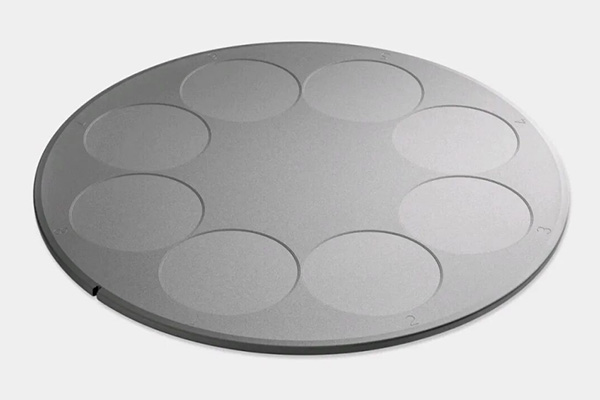
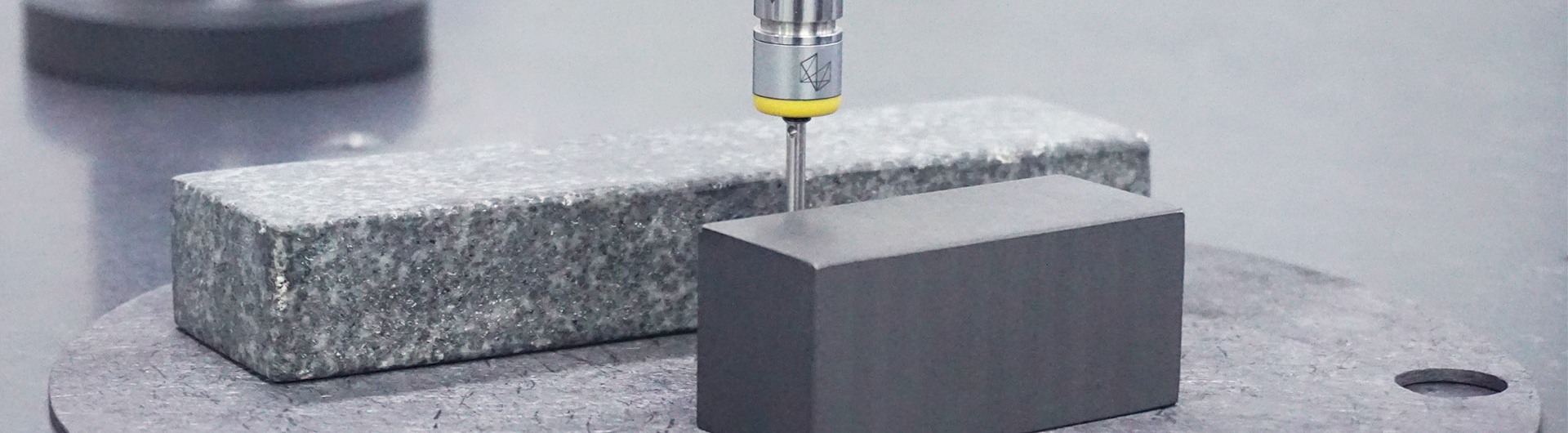
In SiC epitaxy, GaN-based MOCVD and certain high-temperature CVD processes, the susceptor (tray) directly affects particle control, thermal field stability and wafer uniformity. Selection should not be based solely on price. Instead, priority should be given to purity, coating densification, thermal parameters, flatness and thermal-cycle lifetime.
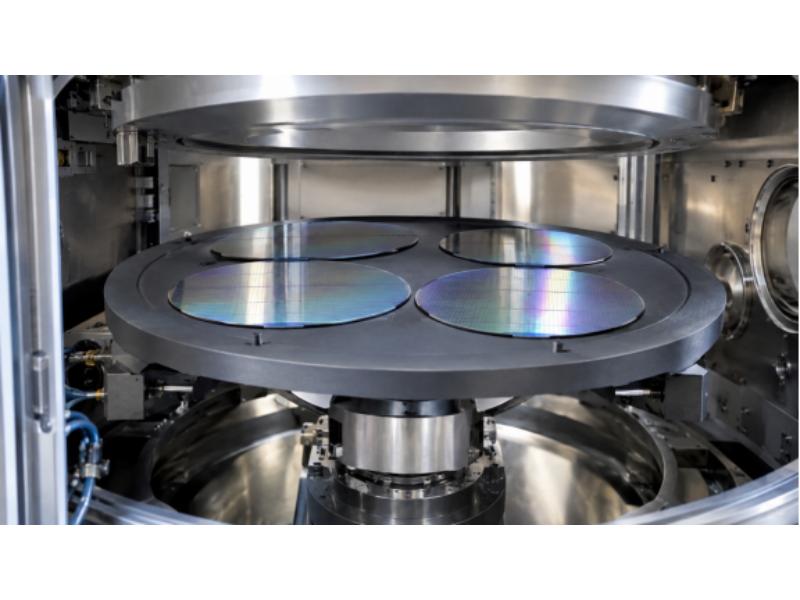
CVD SiC-Coated Graphite Susceptor for SiC Epitaxy & MOCVD
CVD SiC-coated graphite susceptors are designed for demanding semiconductor processes where thermal stability, contamination control and wafer uniformity are important.
CVD SiC Coating Failure Mechanisms: Particles, Deformation and Temperature Field
Susceptors operate for long periods under high temperature, corrosive atmospheres and repeated thermal cycling. The main risks fall into three categories:
- Particle generation: Coating delamination or dust from the graphite substrate can generate particles that degrade epitaxial surface quality.
- Flatness change: Thermal cycling causes progressive changes in flatness, reducing wafer contact and affecting film-thickness uniformity.
- Thermal mismatch: Insufficient thermal conductivity or mismatched coefficients of thermal expansion (CTE) between the coating and substrate can lead to in-plane temperature variation across the wafer.
For GaN-based MOCVD, process gases such as NH3 further increase the demands on coating densification and interfacial adhesion stability.
Key Parameters of CVD SiC-Coated Graphite Trays: Five Metrics That Determine Line Suitability
When selecting a CVD SiC-coated graphite susceptor, it is recommended to verify the following five parameters simultaneously:
- Purity
- Coating density and hardness
- Thermal performance
- Surface and geometric accuracy
- Service lifetime
Typical reference values include:
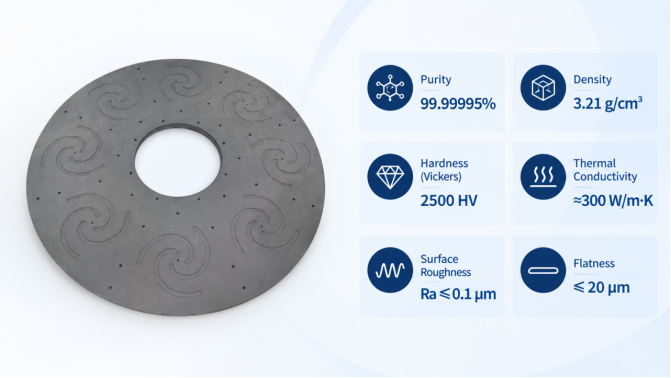
- Purity: 99.99995%
- Coating density: Approximately 3.21 g/cm³
- Hardness: 2500 HV
- Thermal conductivity: About 300 W/m·K
- Coefficient of thermal expansion (CTE): Approximately 4.5 × 10⁻⁶/K
- Surface roughness: Ra ≤ 0.1 μm (polished surface)
Thermal-cycle stability is achieved through matched substrate and coating design. Final confirmation still requires matching the susceptor to equipment drawings, process temperature, atmosphere and wafer size.
CVD SiC-Coated Graphite Susceptors for Epitaxy Equipment
How to Determine Whether a CVD SiC Tray Is Suitable for an Epitaxy Production Line
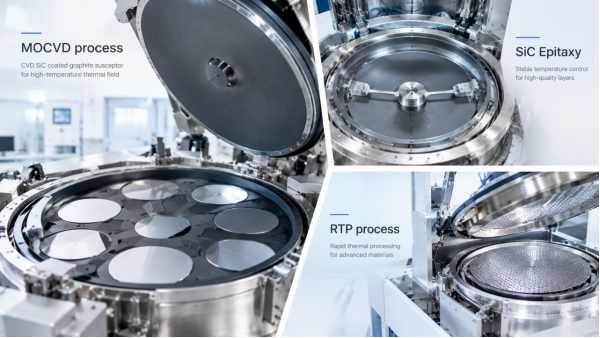
First evaluate the process conditions, then decide on the material solution. SiC epitaxy, GaN-based MOCVD and large-size CVD applications typically place higher demands on corrosion resistance, cleanliness, thermal-field uniformity and dimensional stability.
For lower-temperature or lower thermal-load stations, the decision should balance actual contamination risk against cost.
Semixlab can provide customized dimensional, structural and coating solutions based on equipment model, drawings, temperature and process atmosphere.
Frequently Asked Questions (FAQ)
What processes are CVD SiC-coated graphite susceptors mainly used for?
They are primarily used in SiC epitaxy, GaN-based MOCVD, Si epitaxy and certain high-temperature CVD thermal-field applications.
How should the susceptor specifications be determined?
It is recommended to provide wafer size, equipment model, drawings, operating temperature, process atmosphere, flatness requirements and surface roughness requirements.
Conclusion
The value of a CVD silicon carbide coated graphite susceptor lies in its simultaneous control of particles, thermal field, geometric stability and high-temperature service performance. For replacement or custom projects, Semixlab first confirms the process and equipment conditions, then defines the material and coating parameters.
If you are selecting a CVD SiC-coated graphite susceptor for SiC epitaxy or MOCVD, contact Semixlab with your equipment model, wafer size and technical requirements to discuss a suitable solution.
Table of Contents
- CVD Silicon Carbide Coated Graphite Susceptor: Selection Guide for Epitaxy and MOCVD
- CVD SiC-Coated Graphite Susceptor for SiC Epitaxy & MOCVD
- CVD SiC Coating Failure Mechanisms: Particles, Deformation and Temperature Field
- Key Parameters of CVD SiC-Coated Graphite Trays: Five Metrics That Determine Line Suitability
- CVD SiC-Coated Graphite Susceptors for Epitaxy Equipment
- Frequently Asked Questions (FAQ)
- Conclusion
Founded in 2018, Semixlab Technology Co.,Ltd is a technology-based enterprise focusing on the research and development, production and sales of advanced materials. It is a world-leading semiconductor material manufacturer.