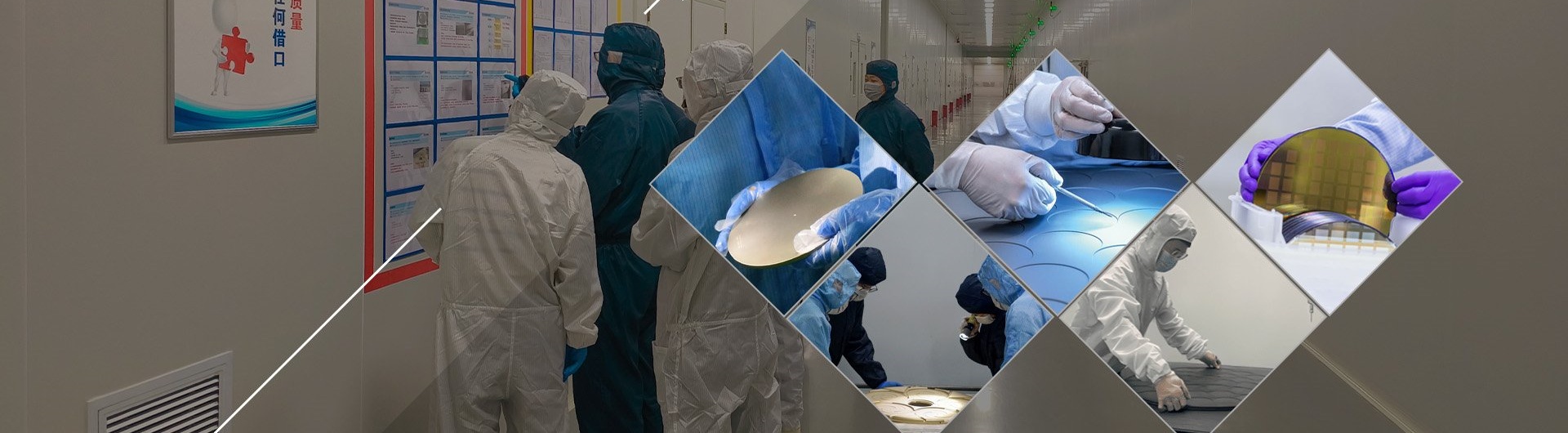
We do not offer one‑size‑fits‑all standard products. Instead, we match solutions to the customer's process window. Two main lines are covered: Thermal‑field structural components and PVT crystal‑growth feedstock. SemiXLab independently develops CVD equipment and process recipes; graphite is sourced from leading suppliers (SGL / Toyo Tanso / Mersen, etc.); CNC precision reaches 3 μm; coating and feedstock purity targets metallic impurities<5 ppm (Source can be verified at 7N level)—design conclusions feed directly into Zhuji production‑line process packages.
Process Consultation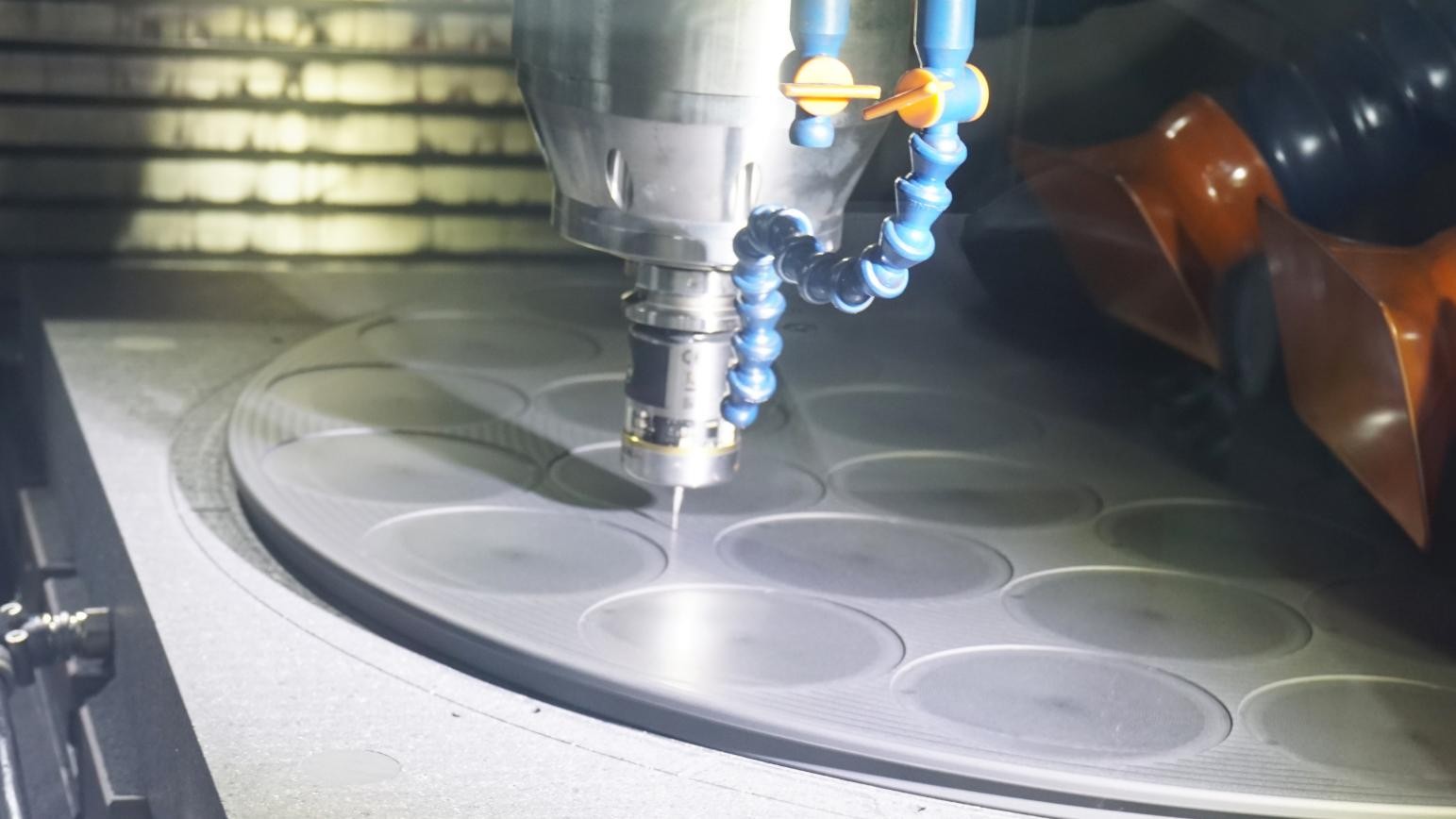
| Comparison Item | CVD SiC Coating (Flagship) | CVD TaC Coating (Flagship) |
|---|---|---|
| Typical Conditions | <1400°C · Epitaxy / MOCVD / Etch | 1500–2200°C · PVT / Ultra‑high‑T thermal fields |
| Core Advantages | High hardness, oxidation resistance, HCl/NH₃ resistance | Ultra‑high‑T stability; resistance to atomic H and metal vapors |
| Typical Applications | Susceptor, carrier plate, heater components | Crucible, gas guide, ultra‑high‑T pedestal |
| Design Focus | CTE matching + film‑thickness uniformity | CTE matching + phase purity / zero pinholes |
| Comparison Item | Conventional SiC Powder | CVD SiC Source (Flagship) |
|---|---|---|
| Form | Fine powder / irregular small particles | High‑purity bulk / block (size controllable) |
| Purity & Impurities | Typically 5N–6N; prone to inclusions | Target 7N level; extremely low metallic impurities, low nitrogen |
| C‑Dust Risk | Higher; easily introduces defects | Significantly reduced; favors interfacial stability |
| Sublimation & Growth Performance | Prone to crusting; rate fluctuation | More stable sublimation; favors higher growth rate and crystal quality |
| Typical Use | Traditional PVT charge | 6–8 inch SiC single‑crystal PVT feedstock upgrade |
During design we align with the customer on: target polytype and size, charge density, growth‑temperature window, and acceptable metallic/nitrogen impurity limits—then lock block specifications and batch inspection items.

 EN
 EN
 DA
 NL
 FI
 FR
 DE
 IT
 JA
 KO
 NO
 PL
 PT
 RO
 RU
 ES
 SV
 TL
 ID
 SK
 UK
 VI
 TH
 TR
 FA
 BE
 LA
 UZ