EN
 EN
 DA
 NL
 FI
 FR
 DE
 IT
 JA
 KO
 NO
 PL
 PT
 RO
 RU
 ES
 SV
 TL
 ID
 SK
 UK
 VI
 TH
 TR
 FA
 BE
 LA
 UZ
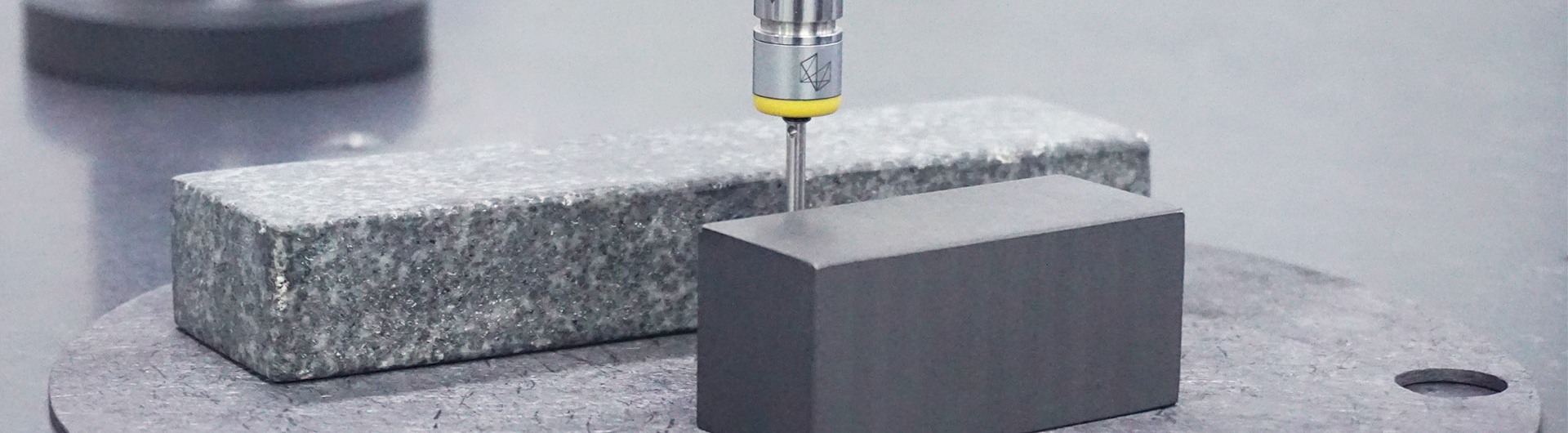
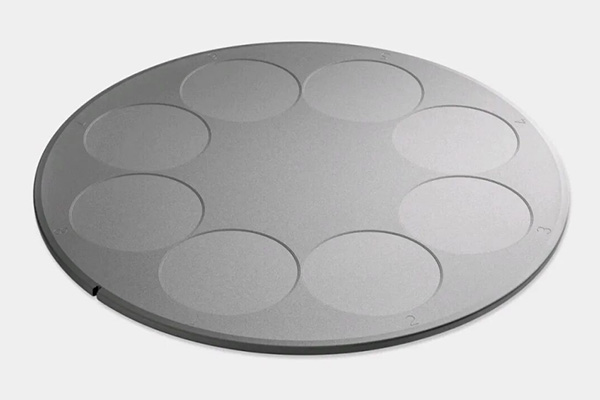
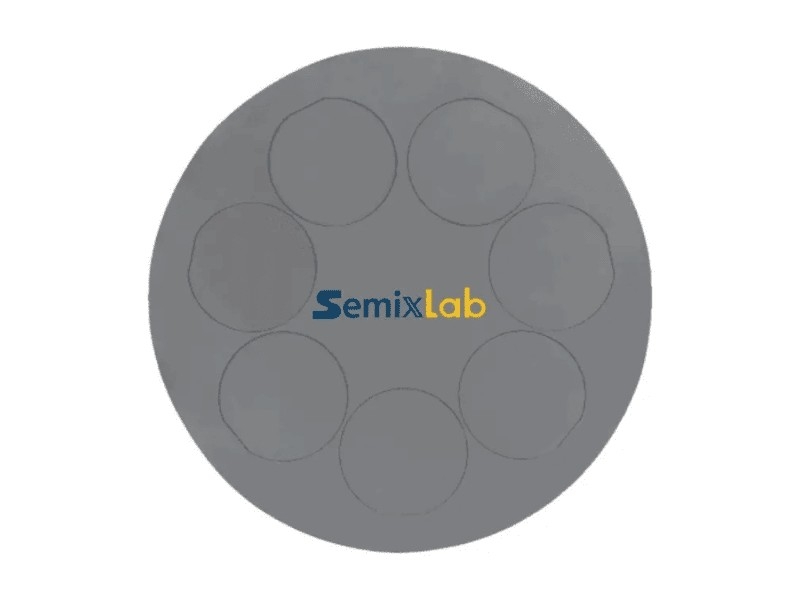
Materials are incredibly important when it comes to manufacturing, and one of the more crucial materials to consider is when manufacturing epitaxial parts. Parts like these are essential to the manufacturing of high-tech devices like smartphones and computers, and as manufacturers, we often get asked by clients what makes Cvd sic -coated graphite better for this application than CVD TaC coating. Many different factors come into play, so let us provide you with the lowdown on why you may want to consider CVD SiC coated graphite for your application.
What Are the Important Benefits of CVD SiC Coated Graphite Coated Graphite as Compared to TaC Coating?
Strong Strength is one of the primary benefits of CVD TaC SiC coated graphite. Due to the high heat requirements of many manufacturing processes, a material that can sustain extreme temperatures without degrading or deforming is necessary. Due to its strength, CVD SiC coated graphite can tolerate high heat – far higher than most other materials – in processes where high heat is the norm.
The very high thermal conductivity of CVD SiC-coated graphite is another major benefit. You get one good conductor of heat – which means it heats up quickly, and it heats up uniformly. This uniform heating is so important in many applications, such as epitaxy and adding layers of material to build up complex shapes. If one part of the structure gets too hot and the other too cold, you get jagged, cracked, and uneven layers – which CVD SiC-coated graphite helps to prevent.
Moreover, CVD SiC-coated graphite has excellent chemical resistance. It can resist a lot of aggressive chemicals in production, which makes it more durable. Not only does it save companies money on replacements and repairs, but its long lifespan is also a very good point in its favor over TaC coating.
Lastly, the manufacturing process of CVD SiC-coated graphite is better. You can customize the process so that it produces faster and cheaper. This is always something that customers want, particularly when you're trying to keep up with the demand.
Why Select CVD SiC Coating for Epitaxial Pieces?
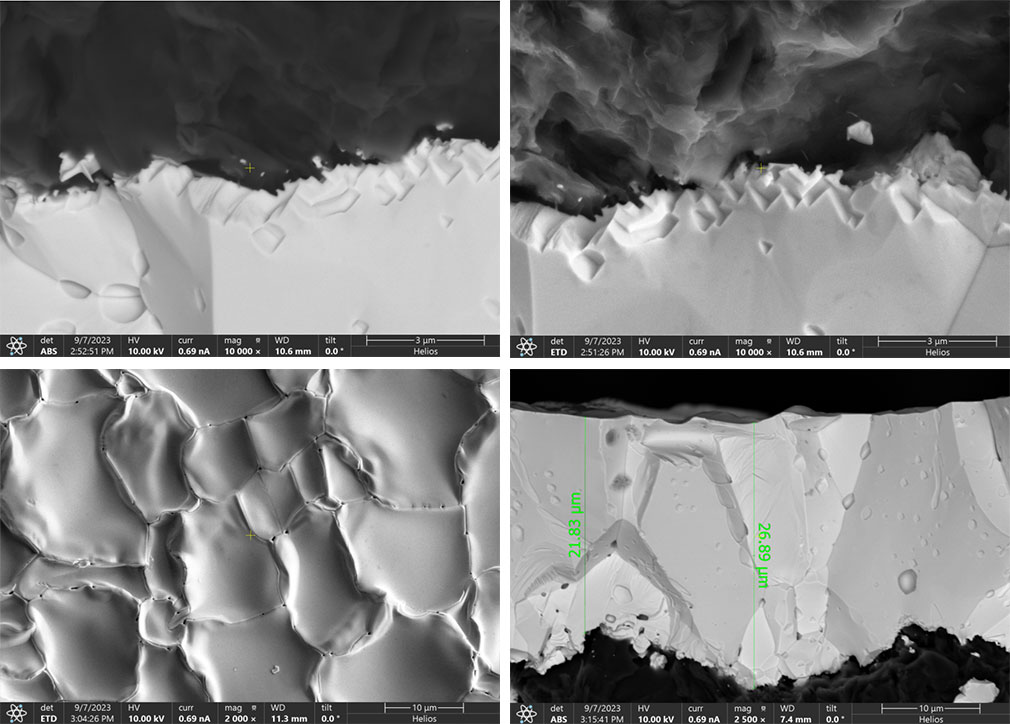
Epitaxial parts are where Cvd sic coating really excels. These parts require high tolerances, which is where the quality of the coating is critical. CVD SiC deposits a smooth surface, which improves the adhesion of the subsequent layers. This is key to providing the electrical properties needed for the device, and an uneven or "bumpy" surface would be detrimental to the performance of the device.
Another reason to choose CVD SiC-coated graphite is that it has very high thermal stability. It does not deform when heated. This is very important for epitaxial processes, as they are subject to temperature fluctuations, and it is the deformation of the material that deforms the layers during deposition, which ultimately destroys the entire part.
There's another important reason that CVD SiC-coated graphite can be used to control contamination: It prevents build-up of unwanted materials on the surfaces being coated. This type of graphite forms a barrier that prevents contamination from clinging to the surface as the epitaxial coatings are deposited. Ensuring the purity of products is so critical!
Finally, the graphite that has been CVD SiC coated aligns well with the substrates used by a majority of current semiconductor manufacturers. This results in improved electrical performance of the end product. As a leading provider of CVD SiC-coated graphite, Semixlab knows that the high performance of the electronic device is always considered a priority.
In a nutshell, CVD SiC-coated graphite has become increasingly advantageous over CVD TaC coating, especially for the production of high-quality epitaxial parts. Benefits such as strength, thermal conductivity, chemical resistance, and higher productivity have made it the coating of choice for many manufacturers.
Why CVD SiC Coated Graphite Minimizes 3 Common Usage Problems in Semiconductor Production?
Making semiconductors, these tiny components used in so many electronic devices, can be a complex world. And contamination and performance issues can be some of the biggest problems. That's where CVD SiC-coated graphite has a role to play.
Starting with some of the basics, CVD stands for Chemical Vapor Deposition – a process for applying thin coatings on a surface – and we're talking about Silicon Carbide (SiC) coated on a graphite support.
Graphite is frequently used as it conducts heat well and is resistant to high temperatures.
When we use CVD SiC coatings, it has fewer problems such as contamination. Contamination is when impurities get into the semiconductors. It ruins the entire process when there are impurities involved, and the semiconductors don't work as well.
The SiC coating protects the graphite by preventing contamination from forming, so the semiconductors can be cleaner.
A final problem of concern to semiconductor manufacturers is thermal stability, which is the ability of a material to retain its dimensions when it is exposed to very high temperatures. CVD SiC-coated graphite exhibits excellent thermal stability, which means it maintains high strength and dimensional stability even at very high temperatures. This allows for smooth, successful manufacturing because we know that this high strength and stability at high temperatures reduces the failures that can be observed when these materials are exposed to extreme conditions.
It also has excellent thermal conductivity. This quality ensures that the heat can be transferred around easily. In the production of semiconductors, excess heat can create significant issues; as a result, heat is distributed evenly to prevent warm spots that may be problematic. Thanks to the CVD SiC-coated graphite being a good thermal conductor, it will allow for the correct process temperature to be maintained for the semiconductors, ensuring the Semixlab products are clean and effective, giving them a competitive advantage in the business.
3 Ways To Maximize Performance of CVD SiC Coated Graphite in Your Manufacturing Process?
Proper Use Of CVD SiC Coated Graphite: Know Your Application. When you are considering a CVD SiC coated graphite, knowing the proper usage in your process is essential to getting the best results. A fairly important part of using the CVD SiC coated graphite is ensuring that the CVD SiC coating is performed properly and to perfection. We at Semixlab are especially concerned with using advanced techniques to properly and evenly deposit the CVD SiC coating on the graphite.
You can help to improve performance as well by maintaining the environment while you're manufacturing the products. CVD SiC-coated graphite requires a specific temperature and pressure to be adhered to otherwise, you could end up with a defective product. With Semixlab, we know how to get things right so that you avoid costly problems with your semiconductors.
Training of the workforce: CVD SiC-coated graphite has to be managed and used with care. Our employees are trained by Semixlab so that they know how to manage the CVD SiC-coated graphite.
Lastly, regular maintenance of the equipment is obligatory. The working of the equipment will work more efficiently and produce higher-quality results if you have healthy, good equipment. Semixlab ensures this equipment is in good condition by doing regular maintenance so that there are no stops or breakdowns in the production process of semiconductors. Hence, these are the advantages of using CVD SiC-coated graphite.
What Are the Most Common Applications for CVD SiC Coated Graphite Susceptors?
CVD SiC-coated graphite susceptors are ideal for applications in some sectors of semiconductor manufacturing where they can be best exploited. CVD SiC is one of the most useful materials we can employ when manufacturing silicon wafers. Wafers are the first step in the process of making semiconductors, and they require absolute cleanliness. Our SiC coating is perfect for keeping the wafers contaminant-free throughout the manufacturing process, preventing several defective wafers from spoiling a batch.
Another application that benefits from the properties of CVD SiC-coated graphite is high-power devices. CVD SiC coated graphite is well suited for producing high power devices, as these devices often produce a high amount of power and require a large amount of current and heat. It is important that high-power devices have a durable material to manufacture from in order to function at the required high standards.
Another example of an application for CVD SiC-coated graphite would be the production of LED technology. LED lights are becoming more prevalent in our day-to-day lives, and this technology requires the precise manufacturing of the LED's. The ability of CVD SiC coated graphite to withstand high temperatures makes this material ideal for LED production. This material can help bring about high-quality LEDs in the LED industry.
CVD SiC-coated graphite susceptors are used in the production of many semiconductor products. By partnering, these companies have the ability to take advantage of different areas of expertise to manufacture higher-quality electronic components, which benefits consumers. With this technology, there is an emphasis on improving the quality of electronic devices in the industry, along with developing new applications for CVD SiC-coated graphite in the future as new technological developments arise.
Table of Contents
- What Are the Important Benefits of CVD SiC Coated Graphite Coated Graphite as Compared to TaC Coating?
- Why Select CVD SiC Coating for Epitaxial Pieces?
- Why CVD SiC Coated Graphite Minimizes 3 Common Usage Problems in Semiconductor Production?
- 3 Ways To Maximize Performance of CVD SiC Coated Graphite in Your Manufacturing Process?
- What Are the Most Common Applications for CVD SiC Coated Graphite Susceptors?
Founded in 2018, Semixlab Technology Co.,Ltd is a technology-based enterprise focusing on the research and development, production and sales of advanced materials. It is a world-leading semiconductor material manufacturer.