EN
 EN
 DA
 NL
 FI
 FR
 DE
 IT
 JA
 KO
 NO
 PL
 PT
 RO
 RU
 ES
 SV
 TL
 ID
 SK
 UK
 VI
 TH
 TR
 FA
 BE
 LA
 UZ

CVD Tantalum Carbide (TaC) Coating
Home > Products > CVD Coating > CVD Tantalum Carbide (TaC) Coating
CVD Tantalum Carbide (TaC) Coating
Product Overview
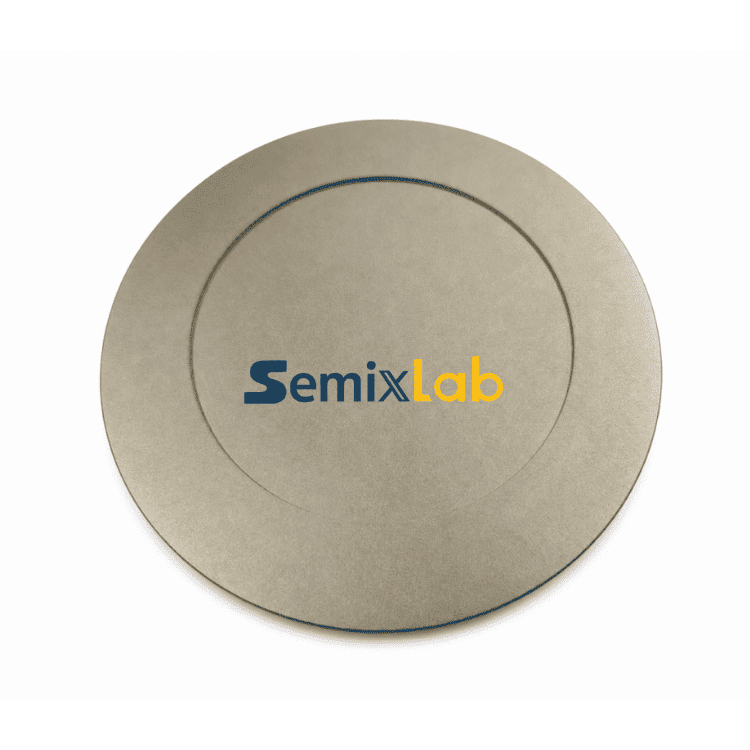
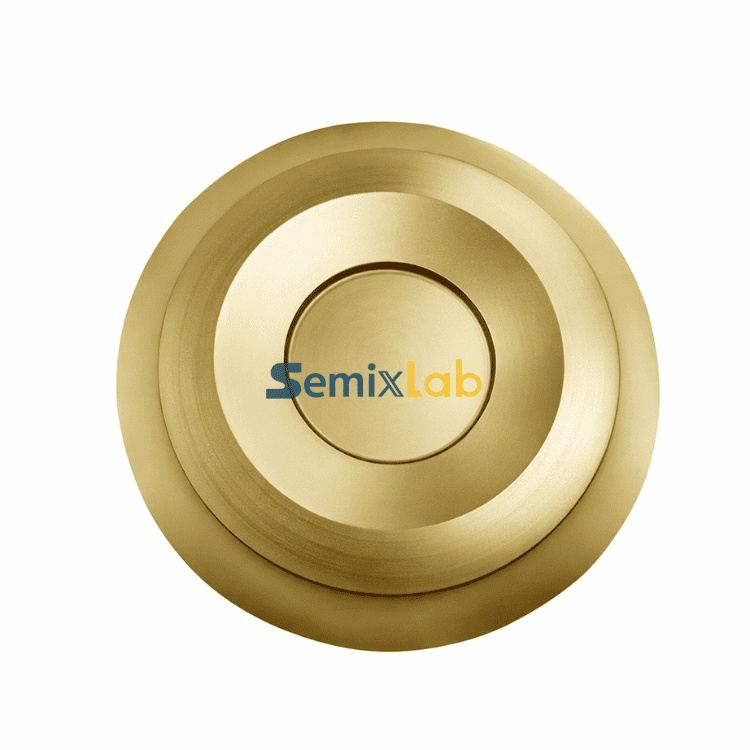
Semixlab’s Chemical Vapor Deposition Tantalum Carbide (CVD TaC) coating is an Ultra‑High Temperature Ceramic (UHTC) solution designed for extreme operational environments exceeding 1700°C in aggressive reducing atmospheres. Where conventional SiC coatings reach their thermal decomposition limits during SiC crystal growth and wide‑bandgap processing, Semixlab’s CVD TaC coating offers a melting point of 3880°C and continuous thermal stability up to 2200°C. It exhibits complete chemical inertness against hydrogen (H₂) and ammonia (NH₃), serving as the benchmark protective layer for power semiconductor manufacturing.
Key Features & Advantages
- Ultra‑High Temperature Stability: Features a 3880°C melting point and remains structurally stable without phase transition or volatilization up to 2200°C in vacuum/inert/H₂ environments.
- Resistance to Hot H₂/NH₃ Erosion: Completely resists chemical attack in hot hydrogen etching and ammonia atmospheres, preventing graphite substrate cracking and decarburization during SiC epitaxy.
- Carbon Diffusion Suppression: Seals carbon atoms within the graphite substrate to prevent outward diffusion, drastically lowering background doping concentrations and improving wafer electrical consistency.
- Thermal Shock & Adhesion Performance: Engineered with micro‑stress buffer layers to accommodate CTE mismatches with graphite, eliminating peeling or flaking under intense thermal cycling.
Technical Specifications
|
Parameter |
Standard / Value |
Test Method / Condition |
|---|---|---|
|
Chemical Phase |
Cubic Phase TaC |
XRD Analysis |
|
Purity |
≥ 99.9% (3N5 – 4N) |
GDMS Analysis |
|
Density |
≥ 14.0 g/cm³ (98% of theoretical) |
Specific Gravity Method |
|
Max Operating Temp |
2200°C (Vacuum / Inert / H₂) |
Thermal Equilibrium Test |
|
Coating Thickness |
20 µm – 50 µm (Uniformity ±10%) |
XRF / SEM Cross‑Section |
|
Vickers Hardness |
≥ 2000 HV |
Micro‑hardness Tester |
Typical Applications
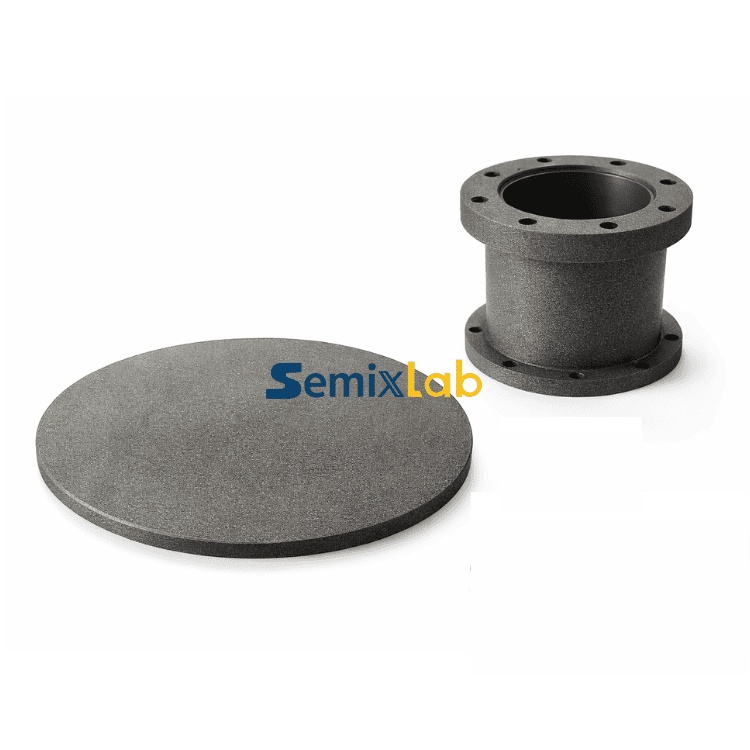
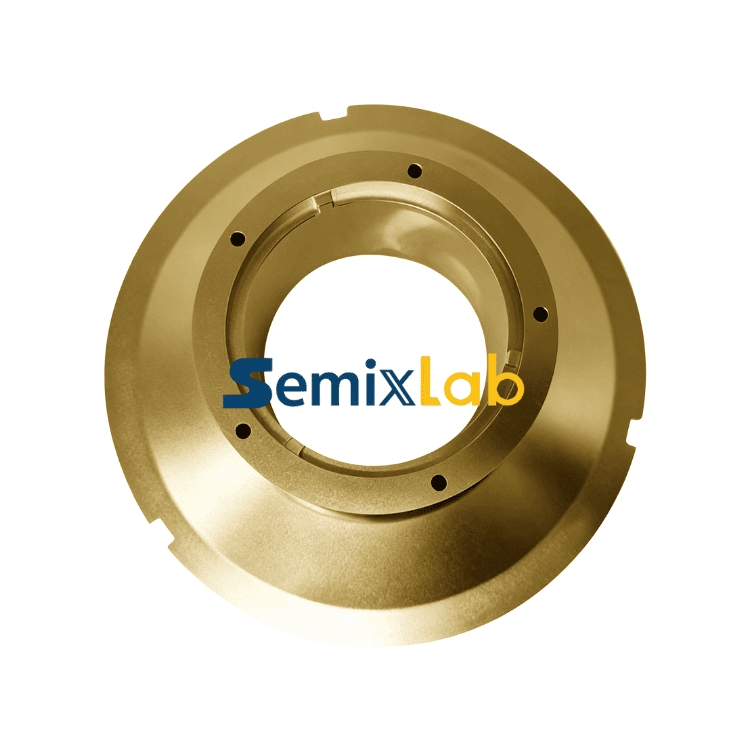
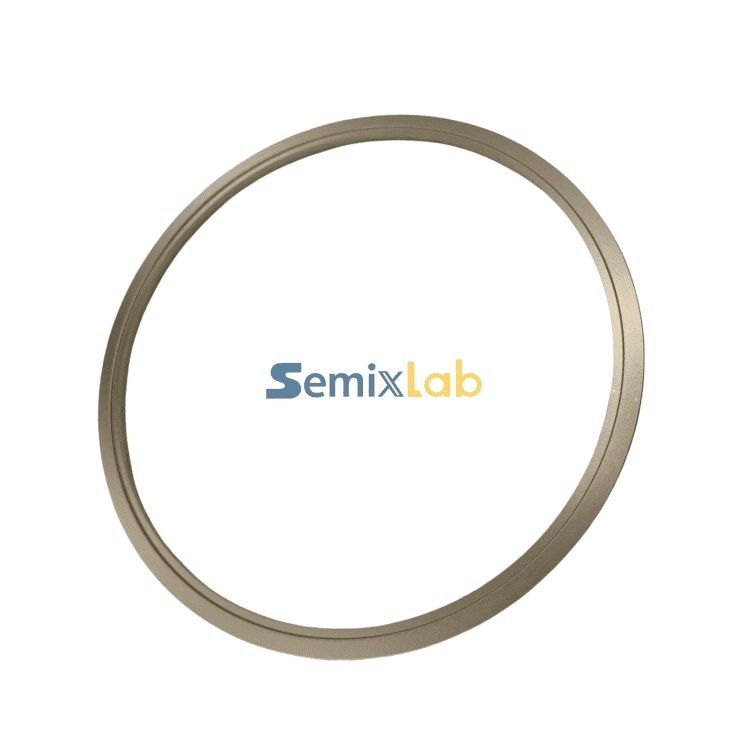
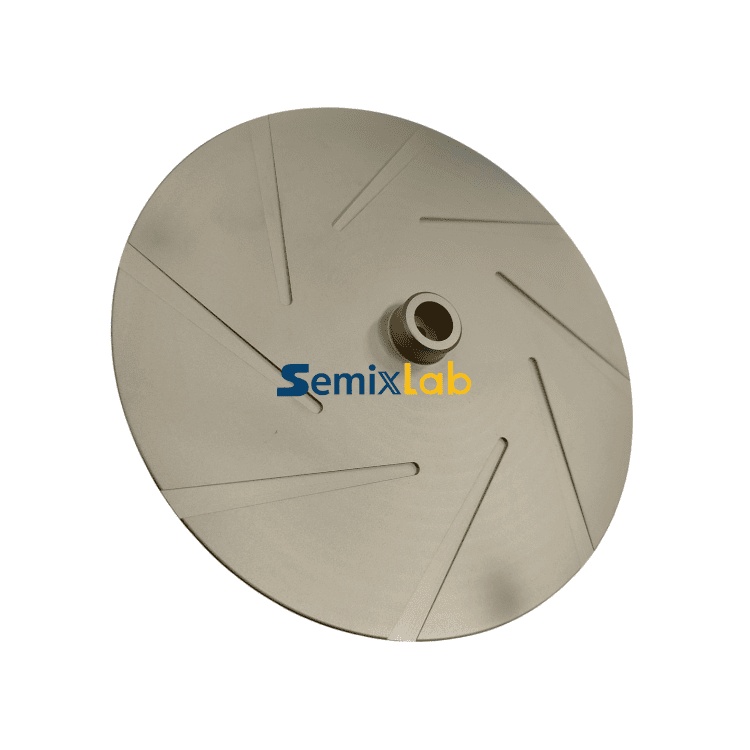
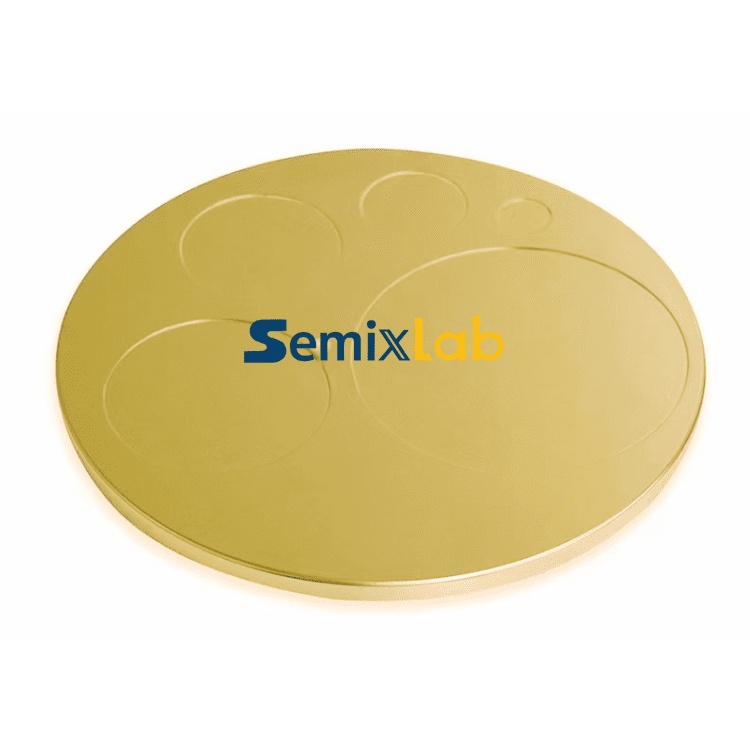
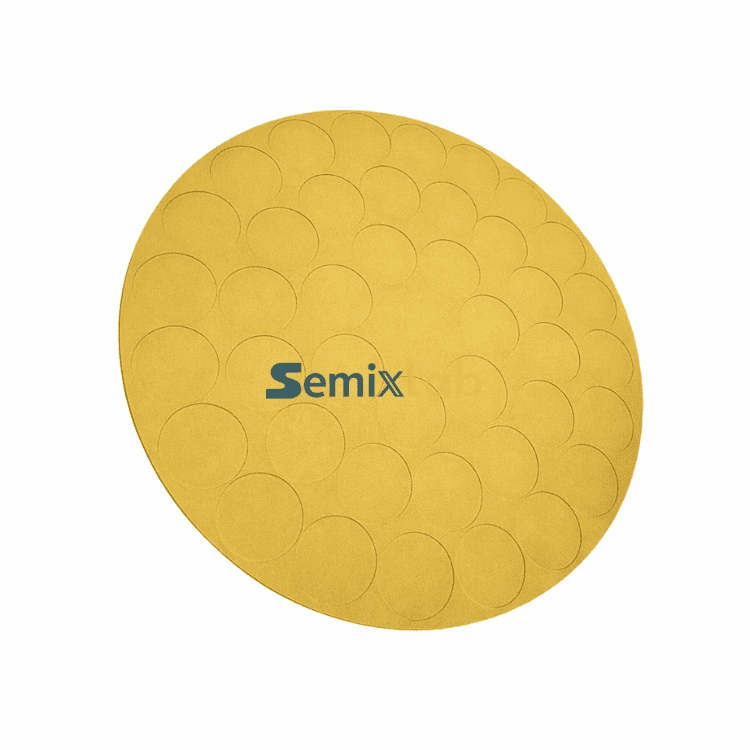
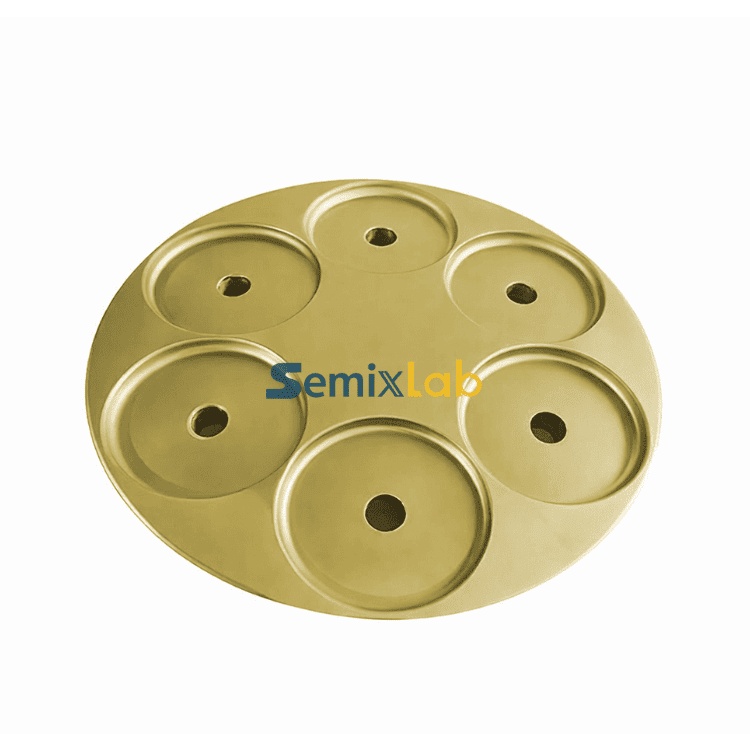
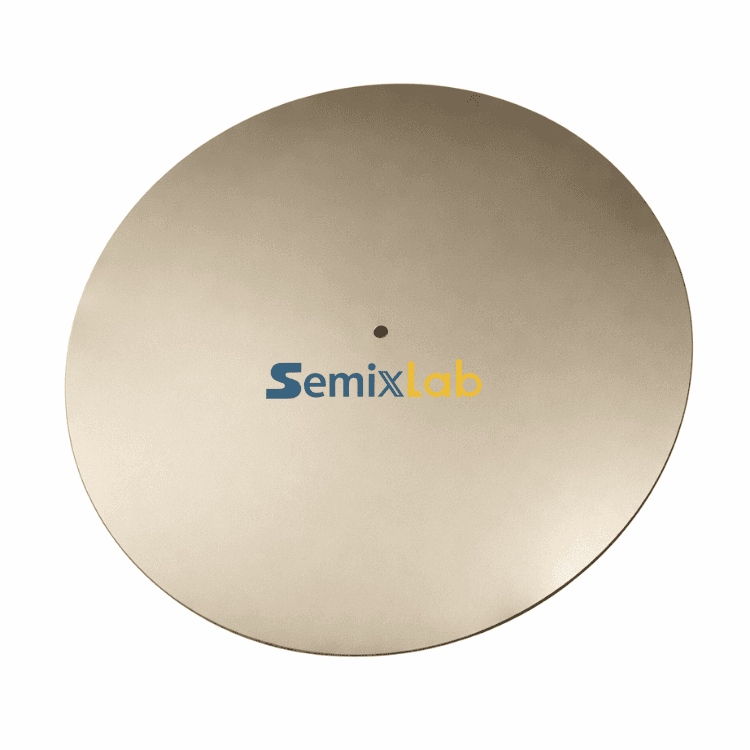
- SiC Epitaxial Growth: Graphite susceptors, cover plates, and guide rings for 6‑inch and 8‑inch SiC epi tools (e.g., Aixtron G5 WW, LPE PE108).
- PVT SiC Single Crystal Growth: Graphite crucibles, caps, and insulation components in physical vapor transport furnaces.
- MOCVD GaN Epitaxy: High‑temperature GaN/AlGaN susceptor protection in heavy NH₃ environments.
- High‑Temp Vacuum Furnaces: Sintering furnace components, induction heaters, and protective sleeves for high‑temperature sensors.
Customization Capabilities
- Uniform Deposition on Complex 3D Profiles: Achieves complete, pinhole‑free coverage inside deep wafer pockets and micro‑channels.
- Graded Stress Tuning: Customizable gradient layer structures (e.g., TaC/SiC multi‑layers) tailored to the CTE profiles of various graphite and C/C composite substrates.
- Recoating Services: Complete stripping and recoating of used graphite components to lower long‑term cost of ownership for fab operations.
Quality Assurance & Expertise
- Advanced Material Characterization: In‑house SEM, EDS, XRD, and GDMS testing ensure crystalline purity and layer density for every production run.
- Fab‑Qualified Performance: Proven performance verified in high‑volume manufacturing (HVM) lines of tier‑1 SiC epi wafer manufacturers worldwide.
- Complete Traceability: Every part is tracked via a unique identifier from raw substrate inspection through final cleanroom packaging.
Technical Resources & Next Steps
- Upgrade Your Process: Seeking to extend susceptor lifetime in high‑temperature SiC processes? Talk to our technical experts.
- Custom Quotation: Upload your CAD files for a fast technical evaluation.
- Download Resource: Download the CVD TaC Coating Product Datasheet (PDF)
CVD Tantalum Carbide (TaC) Coating
TaC coating is usually considered when SiC starts to reach its limits. This
happens more often in SiC epitaxy or crystal growth, where both temperature and
process atmosphere are more demanding.
With a much higher melting point, TaC handles longer high-temperature
exposure better, especially in environments with hydrogen or HCl. In practice,
this makes a difference in processes like PVT growth, where thermal stability
directly affects crystal quality.
Typical applications include flow guide rings, seed holders, crucible-related
parts, and other structures inside the thermal field. These components are
exposed to harsh conditions for long periods, so reducing degradation becomes
important. In some setups, TaC is gradually replacing older materials like pBN,
and even some SiC-coated parts, though this still depends on cost and process
design.