
 EN
 EN
 DA
 NL
 FI
 FR
 DE
 IT
 JA
 KO
 NO
 PL
 PT
 RO
 RU
 ES
 SV
 TL
 ID
 SK
 UK
 VI
 TH
 TR
 FA
 BE
 LA
 UZ
Semixlab CVD SiC Coated Graphite Cleaning Case Study
2026-08-24
| Industry | GaN / AlN / AlGaN Epitaxy |
| Process | Aixtron / Veeco tools; 6-inch & 8-inch CVD SiC coated graphite; 1300°C thermal clean |
| Solution | Professional cleaning targeting AlN residue & memory effect while protecting ~100 µm CVD SiC coating |
| Services | Professional cleaning, coating thickness comparison, QIII particle/cleanliness, XPS, ICP-MS, flatness/deformation – as required |
| Results | Original white process residue fully removed; cleaning evaluation passed; follow-up inspection items determined per customer requirements |
In GaN/AlN/AlGaN epitaxy processes, AlN residue on SiC-coated graphite parts triggers memory effects that disrupt reactor gas-flow stability and directly impact wafer yield. However, the real challenge of cleaning is not simply removing the residue — it is restoring a clean state while avoiding SiC coating loss, metal contamination, particle residues, and geometric deformation. This article details how a professional cleaning approach can achieve this balance.
This case focuses on CVD SiC-coated graphite parts used in GaN, AlN, and AlGaN epitaxy. The customer faced a practical dilemma: after each growth cycle, a 1300°C thermal clean was performed, yet the AlN layer could not be effectively etched away. Parts typically required cleaning every ~16 process cycles (after accumulating 4–5 susceptors).
When memory effects appear on the coating surface and begin to affect reactor gas-flow stability, the core question is no longer merely “removing residue.” The real challenge becomes: how to restore cleanliness while preventing SiC coating loss, metal contamination, particle residues, and geometric deformation. A customized precision cleaning and evaluation workflow was developed for this purpose.
Key Takeaway: When 1300°C thermal cleaning still cannot remove AlN residue, continued accumulation of surface residue may form memory effects and further compromise reactor gas-flow stability.
A European GaN epitaxy foundry uses Aixtron / Veeco tools for GaN, AlN, and AlGaN growth. The parts consist of a graphite substrate with approximately 100 µm CVD SiC coating, typically in 6-inch and 8-inch sizes. After each growth, a 1300°C thermal clean is performed, but the AlN layer cannot be effectively etched. Parts are usually sent for cleaning every 16 process cycles (after 4–5 susceptors), primarily because memory effects appear on the coating surface and cause unstable gas flow inside the reactor.
Typical growth materials include GaN, AlN, and AlGaN, with AlN layers of approximately 100 nm and GaN layers of approximately 2 µm. The customer has no in-house chemical cleaning experience and therefore does not specify particular chemical cleaning protocols or restricted reagents. The core requirement is that the cleaning process must not introduce new memory effects.
Key Takeaway: The cleaning approach addresses residue removal and coating protection simultaneously. The core acceptance criteria are not merely visual cleanliness, but confirmation that coating integrity, cleanliness, contaminants, and geometric accuracy all meet requirements.
Based on part structure, CVD SiC coating condition, and process residue, a dedicated cleaning workflow was developed. Customers do not need to provide chemical formulations. The process prioritizes protection of the ~100 µm CVD SiC coating and avoids generating new memory effects. For batches requiring verification, before-and-after comparisons and a COA data chain can be established.
| Criterion | Description |
| Coating Integrity | SiC coating thickness must not decrease after cleaning. Verification is performed via before-and-after thickness comparison. |
| No Surface Deformation | Flatness and geometric accuracy inspection confirm no physical deformation of the part. |
| Memory Effect Elimination | XPS analysis performed as required by the customer to verify Al/Ga residual levels. |
| Zero Metal Residue | ICP-MS analysis as required, focusing on Fe, Cu, Ni and other metallic impurities. |
| No Excess Particles | Cleanliness and QIII particle inspection to reduce the risk of particles again affecting gas-flow stability. |
Coating integrity, no surface deformation, elimination of memory effect, zero metal residue, and no excess particles constitute the five core acceptance requirements of this case.
Key Takeaway: Inspection items should correspond to the customer’s actual process risks. Data not confirmed by the customer should not be presented as completed inspection results in the case study.
Delivery inspection can be structured around five dimensions: particle & cleanliness, zero SiC coating loss, Al/Ga residual, metallic impurities, and flatness/deformation. Specific items and scope are determined according to customer requirements and can form a COA report.
| Inspection Dimension | Recommended Method |
| Particle & Cleanliness | QIII particle inspection, cleanliness check |
| SiC Coating Integrity | Before-and-after thickness comparison |
| Al / Ga Residual | XPS |
| Metallic Impurities | ICP-MS |
| Flatness / Deformation | Geometric accuracy inspection |
Key Takeaway: Original white process residue has been fully removed; cleaning evaluation passed. Any residual oil/water cleaning marks visible in photos should be treated as subsequent surface cleaning items.
The white residue is an accumulated AlN/AlGaN layer of approximately 100 nm thickness. After cleaning, the surface is clean, the SiC coating remains intact with no damage, and no new particles are introduced.
Fig. 2 & Fig. 3: Before-and-after coating thickness both measured 98–102 µm — no loss.
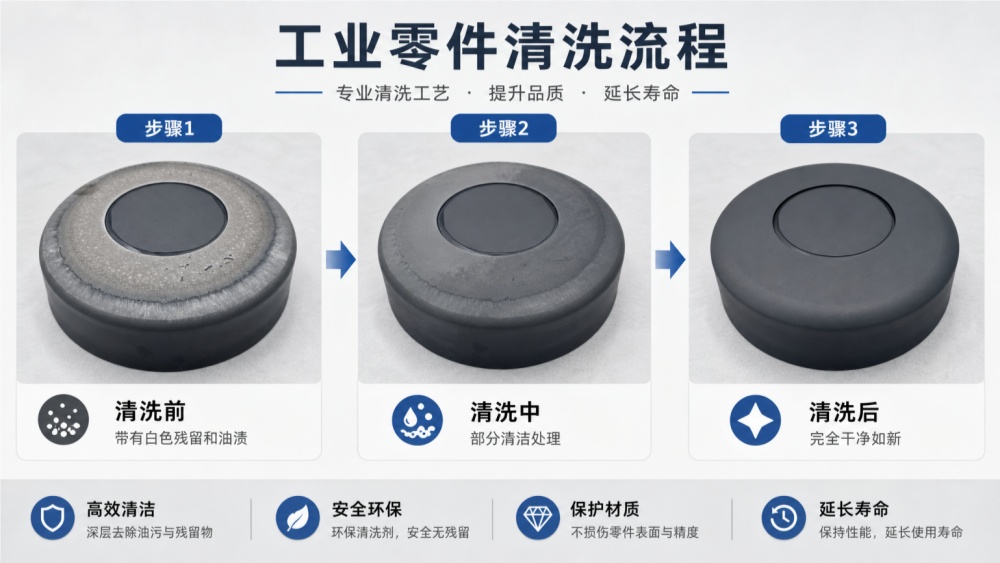
Fig. 1: Surface condition of CVD SiC coated graphite before cleaning
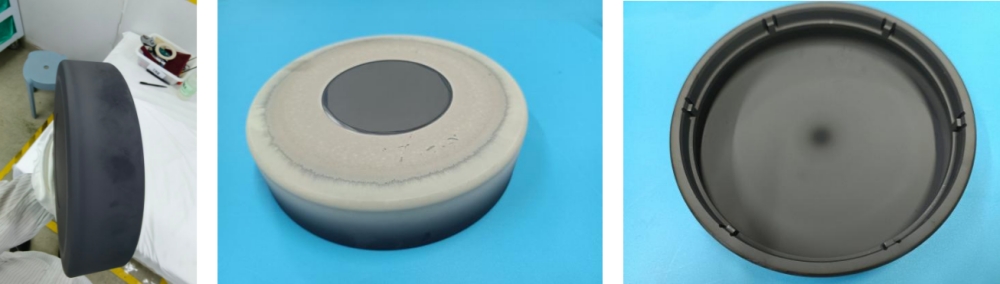
Fig. 2: Front side after Semixlab cleaning
Fig. 3 & Fig. 4: Internal surface / detail views after Semixlab cleaning
Key Takeaway: This service primarily targets susceptors and related CVD SiC-coated graphite parts used in GaN, AlN, and AlGaN epitaxy processes — especially scenarios where residue accumulation and memory effects impact process stability.
Typical applications include CVD SiC-coated graphite parts in Aixtron, Veeco and similar tools. For customers seeking to extend part service life, reduce process variation caused by contamination, or verify part recoverability before recoating/replacement, professional cleaning can serve as an evaluation solution.
Related Product: CVD SiC Single Wafer Susceptor
Key Takeaway: Customers only need to provide part photos, model, quantity, and acceptance requirements to initiate a preliminary evaluation. Cleaning and inspection scope can be customized according to specific process conditions.
Customers can start from requirement discussion, then proceed through solution evaluation, shipping, professional cleaning, inspection reporting, and after-sales follow-up to form a complete workflow.
| Step | Description |
| 1. Requirement Discussion | Send part photos, model, quantity, and existing requirements. |
| 2. Solution & Quotation | Evaluate part condition and prepare a cleaning solution & quotation. |
| 3. Part Shipping | Ship parts or arrange pickup according to actual situation. |
| 4. Professional Cleaning | Execute cleaning and mutually confirmed inspection items. |
| 5. Report Delivery | Provide inspection results, COA report, and return the parts. |
| 6. After-sales Follow-up | Provide technical support based on subsequent usage results. |
Does the customer need to provide a specific chemical cleaning formulation?
No. Customers can provide part information, process background, and acceptance requirements. A suitable cleaning workflow will be evaluated based on these inputs.
How can I confirm that the CVD SiC coating has not been lost after cleaning?
This can be verified through before-and-after thickness comparison. Specific inspection items are executed according to the customer’s acceptance criteria.
Can a COA be provided after cleaning?
Yes. According to customer requirements, particle, thickness, Al/Ga residual, metallic impurity, and flatness/deformation results can be included in the COA.
What if the customer has no clear inspection requirements?
An initial evaluation can be performed based on part application, equipment, and process background, after which a suitable delivery inspection scope can be determined.
For GaN, AlN, and AlGaN epitaxy, the value of CVD SiC-coated graphite cleaning goes beyond removing surface residue. It lies in controlling memory effects, protecting the coating, reducing particle and metal contamination, and maintaining part geometric accuracy. When conventional 1300°C thermal cleaning fails to effectively remove AlN and process stability begins to be affected, a professional cleaning and verifiable inspection system can help customers determine whether the parts still retain continued service value.
We also recognize that there are many excellent peers in China providing high-quality services in this field, such as Veteksemi, Semicera, and others. Healthy competition and knowledge exchange across the industry ultimately benefit all customers.
Related Product: CVD SiC Single Wafer Susceptor
Contact: For inquiries about professional CVD SiC coated graphite cleaning services, please reach out to the Semixlab team.
 Popular Articles